
 01248 353 595
 Quality materials
Sand and Cement Screed
Concrete
Traditional Screed, Done the Hogan Way
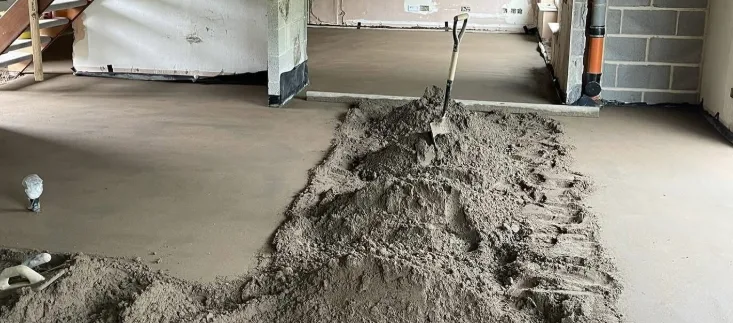
Hogan sand and cement screed is a straightforward, no‑nonsense option when you need a solid, traditional floor build‑up.
It’s designed to give you a strong, reliable base that works just as well in homes as it does on busy commercial jobs.
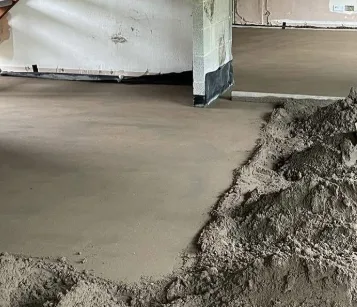
Mixed to a consistent quality, our screed helps you iron out bumps and level the slab, leaving you with a smooth, even surface.

Solid & Long-Lasting

Versatile
Suitable for Residential, Commercial & Industrial Projects

Proven Performance
Trusted By Construction Professionals For Consistent Results

Flexible Applications
Ideal For Bonded, Unbonded & Floating Screed Systems
FAQs
Can I screed straight onto concrete?
Yes, you can put a sand-cement screed directly onto hardened concrete, as long as the slab is sound, clean, and properly prepared. In most cases, that means roughening the surface, removing laitance, dust and contaminants, and using a suitable bonding slurry or primer so the screed really grabs the concrete.
You’ll also need to check moisture levels and make sure any damp-proofing is in place so you don’t trap moisture under the screed or your final floor finish. Key Considerations when screeding onto concrete:
Surface Preparation: The surface of the hardened concrete must be clean, free from dust, oil, grease and any loose material. Proper preparation helps ensure good adhesion between the screed and the concrete.
Damp Proofing: If there is a risk of moisture coming from the concrete (such as in cases of rising damp), it may be necessary to apply a damp-proof membrane (DPM) before laying the screed.
Bonding Agents: In some cases, using a bonding agent can enhance the bond between the screed and the concrete substrate, especially if the concrete surface is very smooth or polished.
Expansion Joints: Consideration should be given to any existing expansion joints in the concrete. These should be replicated in the screed to prevent cracking.
Curing: Proper curing of the sand cement screed is essential to prevent cracking and ensure strength. Follow recommended curing practices to achieve optimal results.
Can you screed with sand and cement?
Yes, sand-cement screed is a viable option for many flooring installations.
It’s strong, versatile, and can be applied in a gradient, which is ideal for wet rooms. However, it requires careful mixing. Hogan Concrete can deliver premixed screed, allowing time for placement and achieving optimum performance. Here are the reasons why it is a practical choice:
Versatile: Sand-cement screed is used in everything from small domestic rooms to larger commercial spaces. It can also be laid to gradients, which is why it’s still a go-to choice for wet areas. Strength and Durability: When properly mixed and cured, sand-cement screed provides a strong, durable surface.
Cost-Effective: Sand and cement are cost-effective screed options because the materials are readily available and straightforward to use. Ready-mix (Hogan) can also reduce waste and on-site mixing time.
Compatibility with Floor Coverings: Once it’s dry and properly prepped, sand-cement screed provides a good base for tiles, vinyl, carpet, and more. That means you can keep the same screed and still change the final finishes room by room.
Established Practice: Sand cement screed has been used for many years in construction. Its performance characteristics are well understood, making it a reliable choice for builders and contractors.
Moisture Control: Properly mixed sand cement screed can help manage moisture levels in the flooring system, provided it is installed with appropriate damp-proofing measures.
What are the Benefits of Fibres in Sand Cement Screeds?
Crack resistance
Fibres hold the screed together as it dries, helping to reduce shrinkage and the risks of cracking. This results in a more stable surface.
Durability
The fibres are evenly mixed into the concrete, which adds toughness and helps the screed withstand day to day wear and minor impacts.
Flexibility
Fibre-reinforced screed can withstand a bit more movement and stress without cracking, which is useful for heavy-duty floors or in changing conditions.
On-site handling
Fibres are added into the mix, so once they’re in, your team can lay and finish the screed in the normal way, with the extra performance built in.
Long term value
By decreasing the risk of cracking and localised damage, fibres can help reduce callbacks, repairs, and disruption over the life of the floor.
What are the disadvantages of sand and cement screeds?
While sand cement screeds have several advantages, they also come with some disadvantages:
Longer Drying Time: Sand-cement screeds typically take longer to dry and cure than liquid screeds, which can delay the installation of floor coverings.
Labour-Intensive Installation: The application of sand-cement screeds requires more manual labour and skill for levelling and finishing than self-levelling liquid screeds.
Weight: Sand-cement screeds can be heavier than other screeds, which may be a concern in certain construction scenarios, especially on suspended floors.
Moisture Sensitivity: In some cases, sand cement screeds can be affected by moisture from below, leading to potential issues such as dampness or failure of floor coverings if proper damp-proofing measures are not taken.
Limited Thermal Conductivity: Compared to liquid screeds, standard sand cement screeds has lower thermal conductivity, which can affect their performance in underfloor heating applications.
Requires Proper Mixing: Achieving the right consistency and strength requires careful mixing and adherence to specifications, which can be challenging if not done correctly. It is far better to order your Sand Cement Screed from a supplier that mixes the screed in a pan to ensure consistency and durability.
What is the difference between liquid screed and dry screed?
Liquid screed and sand-cement (dry) screed are both used to create a level base, but they perform differently and suit different types of projects.
Liquid screed is pump-applied and a free-flowing anhydrite-based mix that self-levels.
Sand-cement screed is laid semi-dry and levelled by hand. It is a traditional blend of sand, cement and water.
Liquid screed is poured, dappled and quickly achieves a flat, consistent surface with minimal manual finishing and high daily outputs.
Sand-cement screed is more labour-intensive, slower to install and relies on the installer to achieve levels.
Liquid screed dries more quickly and can be walked on or covered sooner than dry screed. It reaches floor-covering readiness more quickly at lower depths.
Sand-cement screed generally needs longer to cure and dry, which can extend the programme.
Liquid screed offers better thermal conductivity and fully surrounds UFH pipes, improving heat transfer. Sand-cement screed has lower thermal performance and a higher risk of voids around pipework.
What is the mix of sand and cement for screeding?
There are a few options; however, the two main mixes are 4-to-1 and 3-to-1. This can be supplied with or without fibres. Using fibres in sand cement screeds can significantly enhance their performance and longevity, making them a popular choice in modern construction practices.
Need Sand and Cement Screed For Your Next Project?
Fast response. No chasing. Real people. Real service.