
 01248 353 595
 Aggregates
Not all stone is created equal.
From quarry face to final load, every tonne is controlled, tested and delivered to perform.
Aggregates
Quality starts at the quarry.
Guaranteed quality starts with an obsession for the best aggregates. How we prepare, quarry and blast our aggregate sets the standard and foundation for every job.
From landscaping to large-scale construction, you get premium quality primary, secondary and recycled aggregates from our three sustainable quarries in Anglesey. Consistent, on-spec materials for drainage, sub-bases and surfacing, plus the documentation you need for quality and compliance.
Every load quality controlled and delivered to your exact schedule.
Our team can help you choose the right solution for your project.


Precision supply
On time to your schedule

Guaranteed quality
Money-back guarantee on every job if the product does not meet the specification.

Fast Same Day Quotes
Tailored to your project

Flexible
Straightforward collections from our site
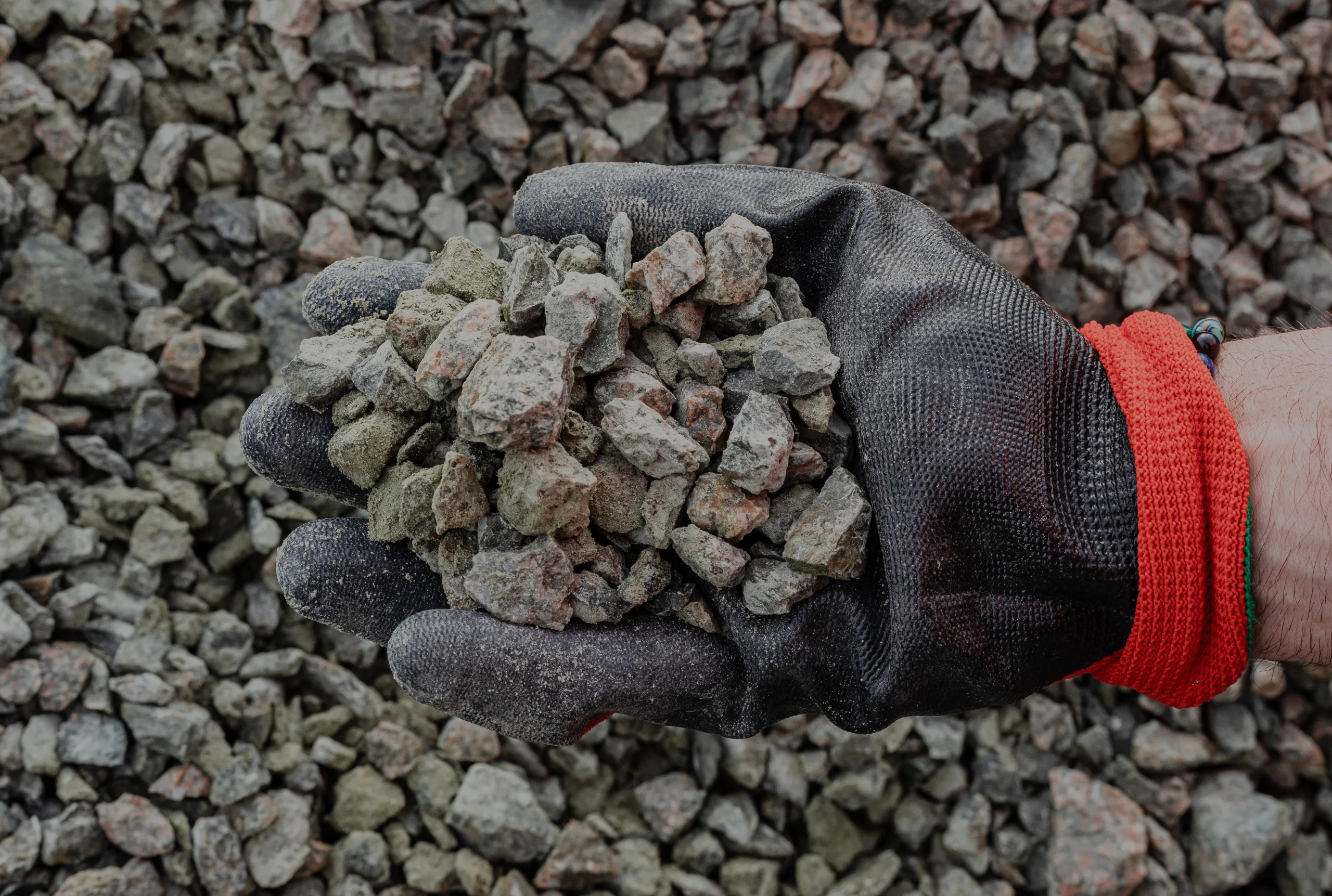
Concrete Aggregates
2 products available.
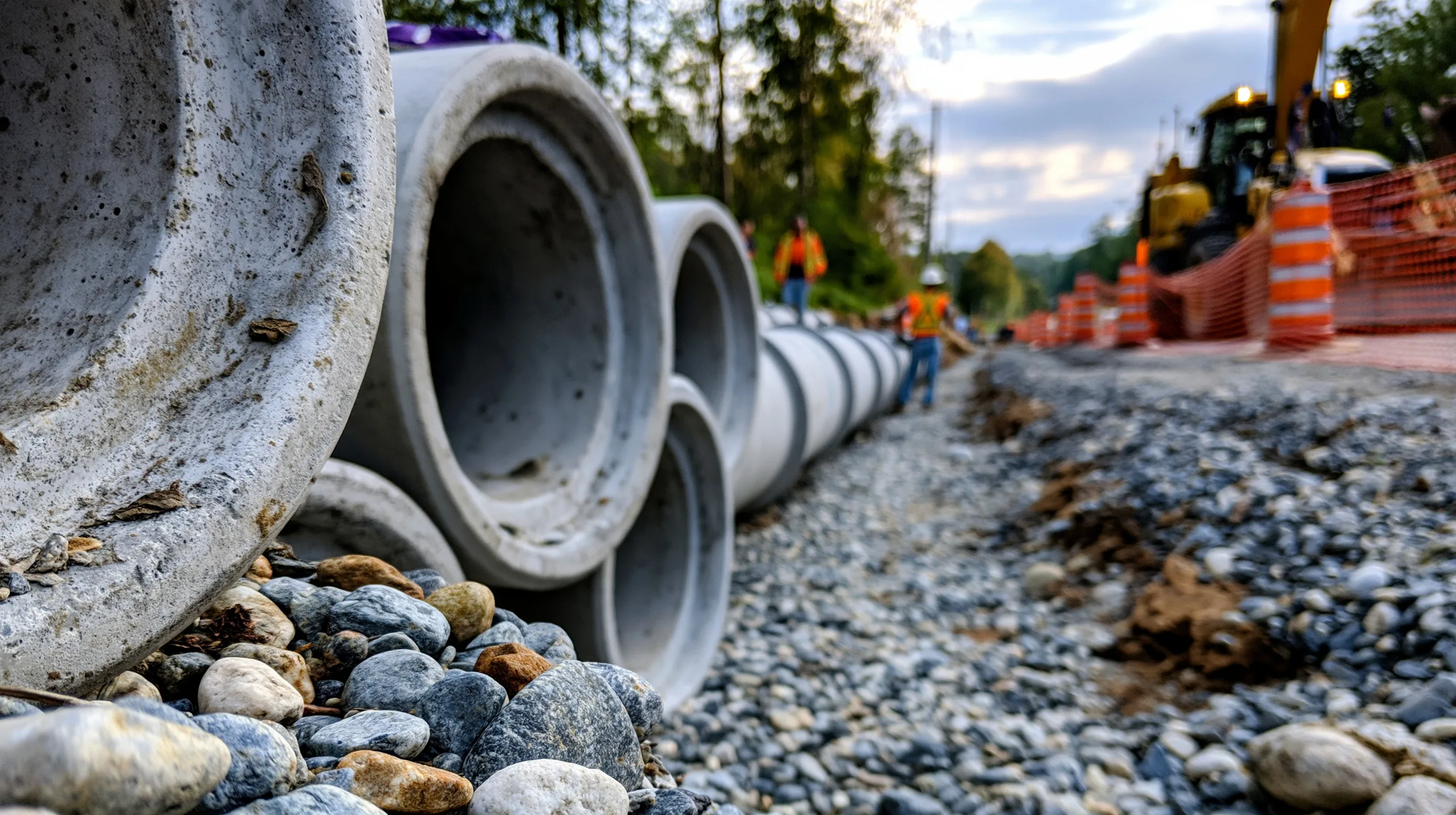
Pipe Bedding
5 products available.
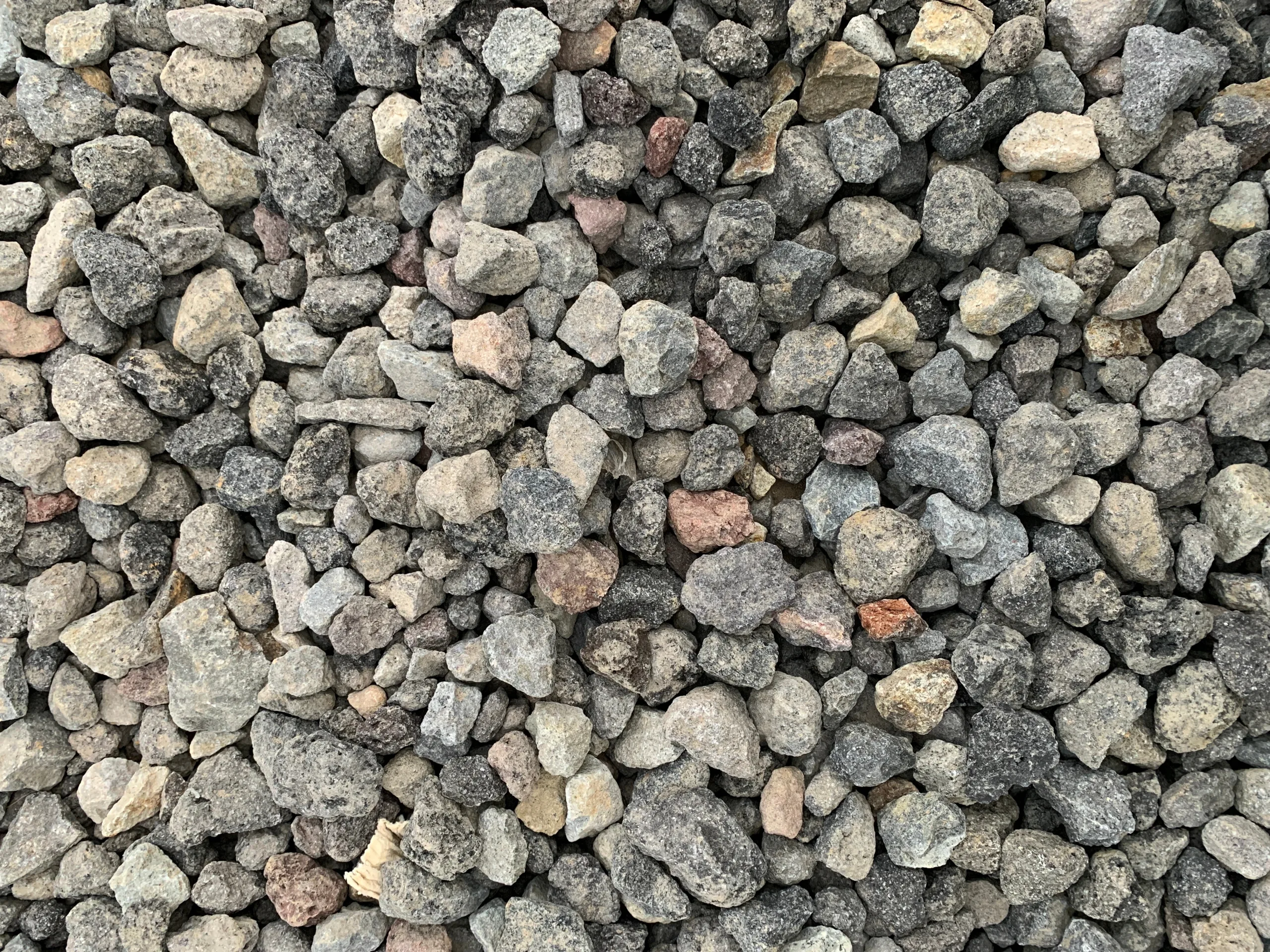
Drainage Stone
3 products available.
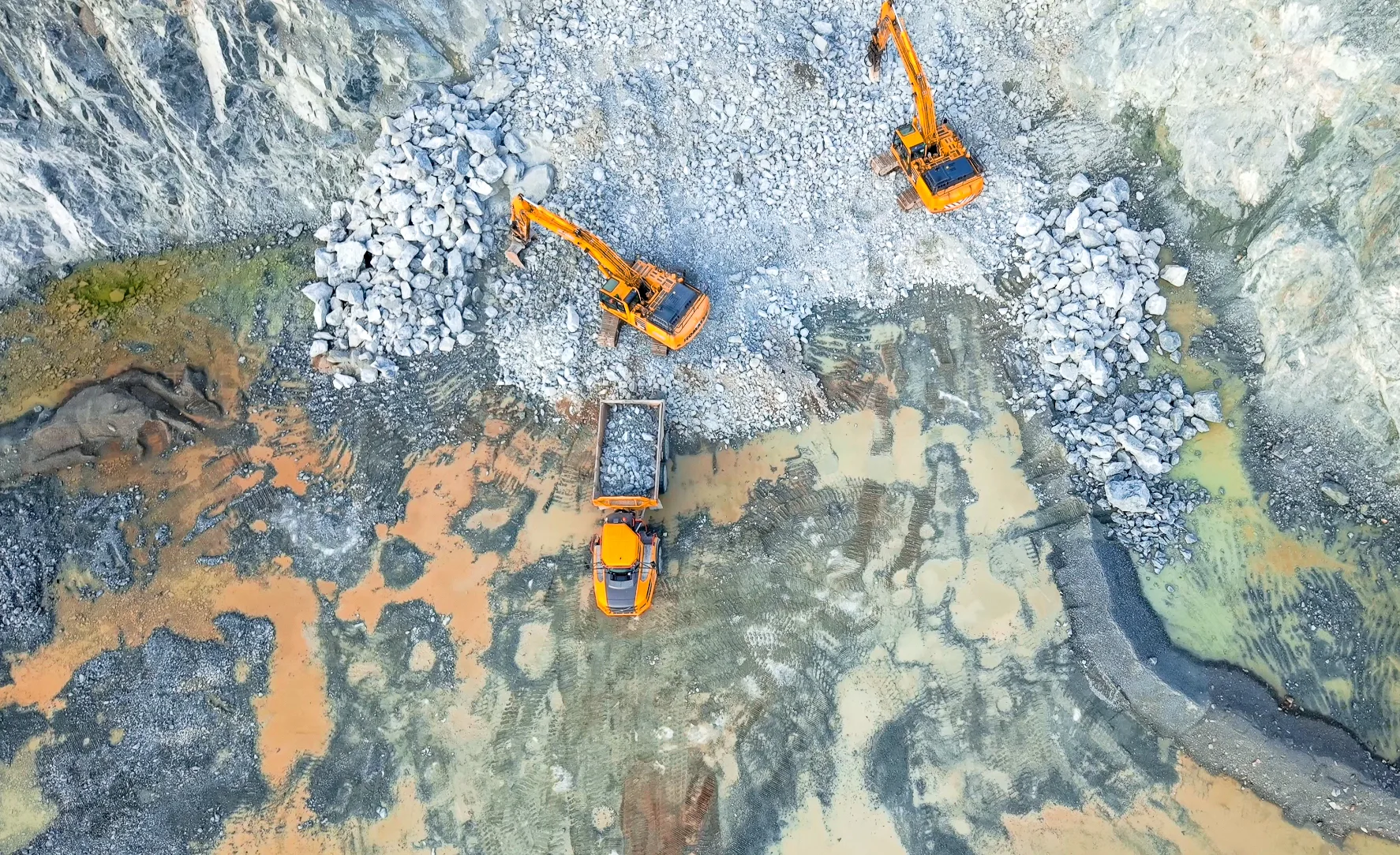
Quarry Aggregates
8 products available.
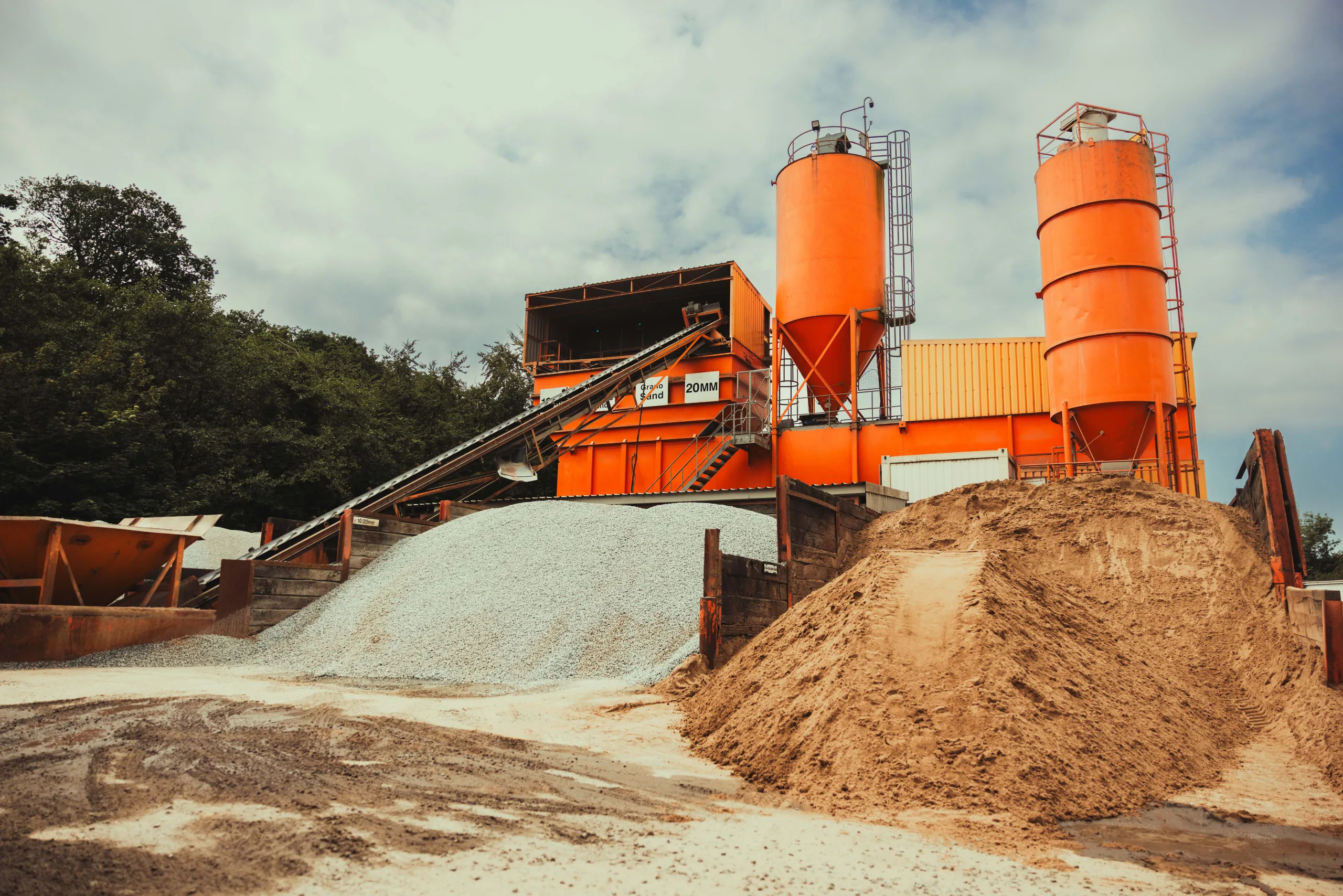
Sand Aggregates
3 products available.
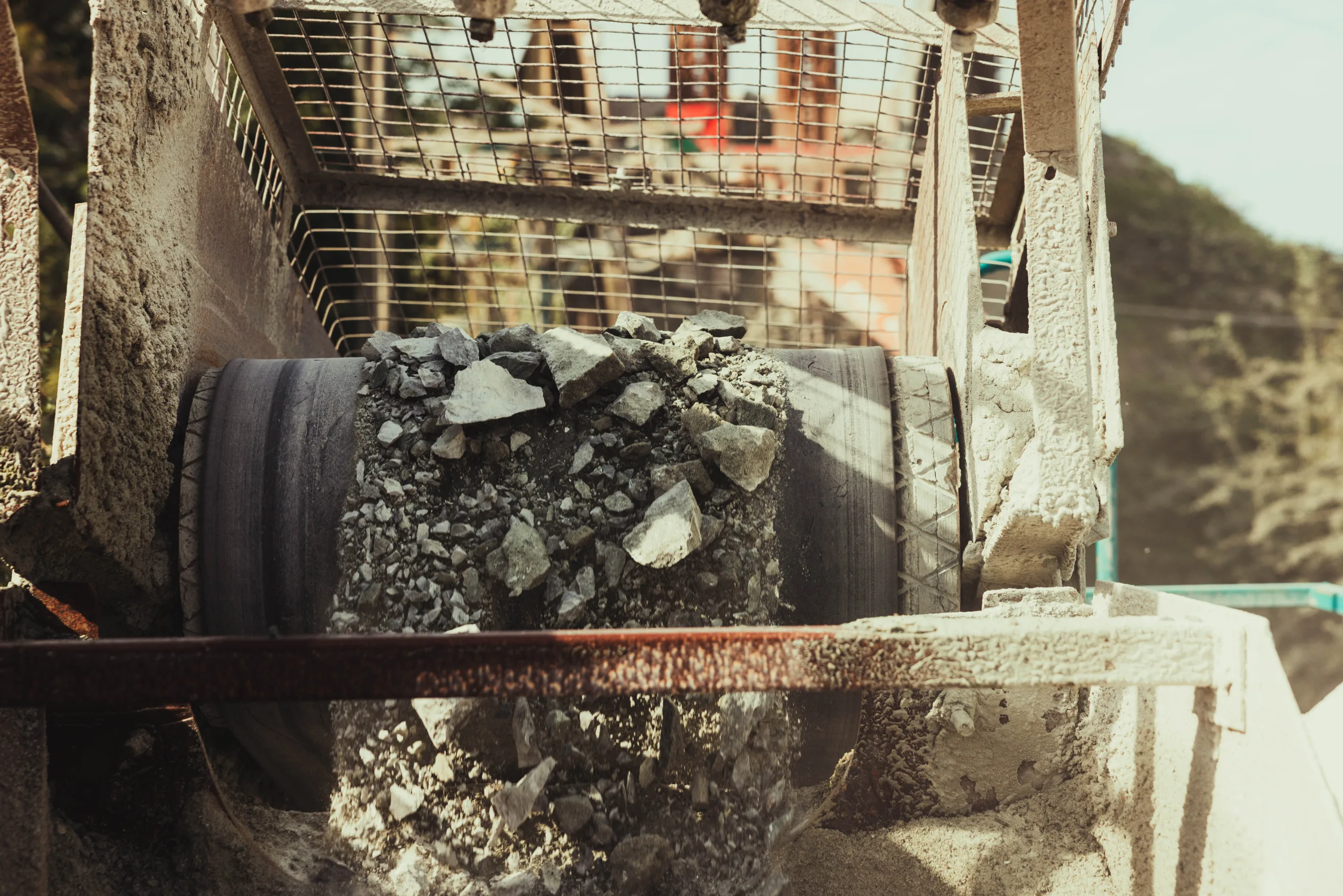
Hardstone Aggregates
6 products available.

Recycled Aggregates
3 products available.
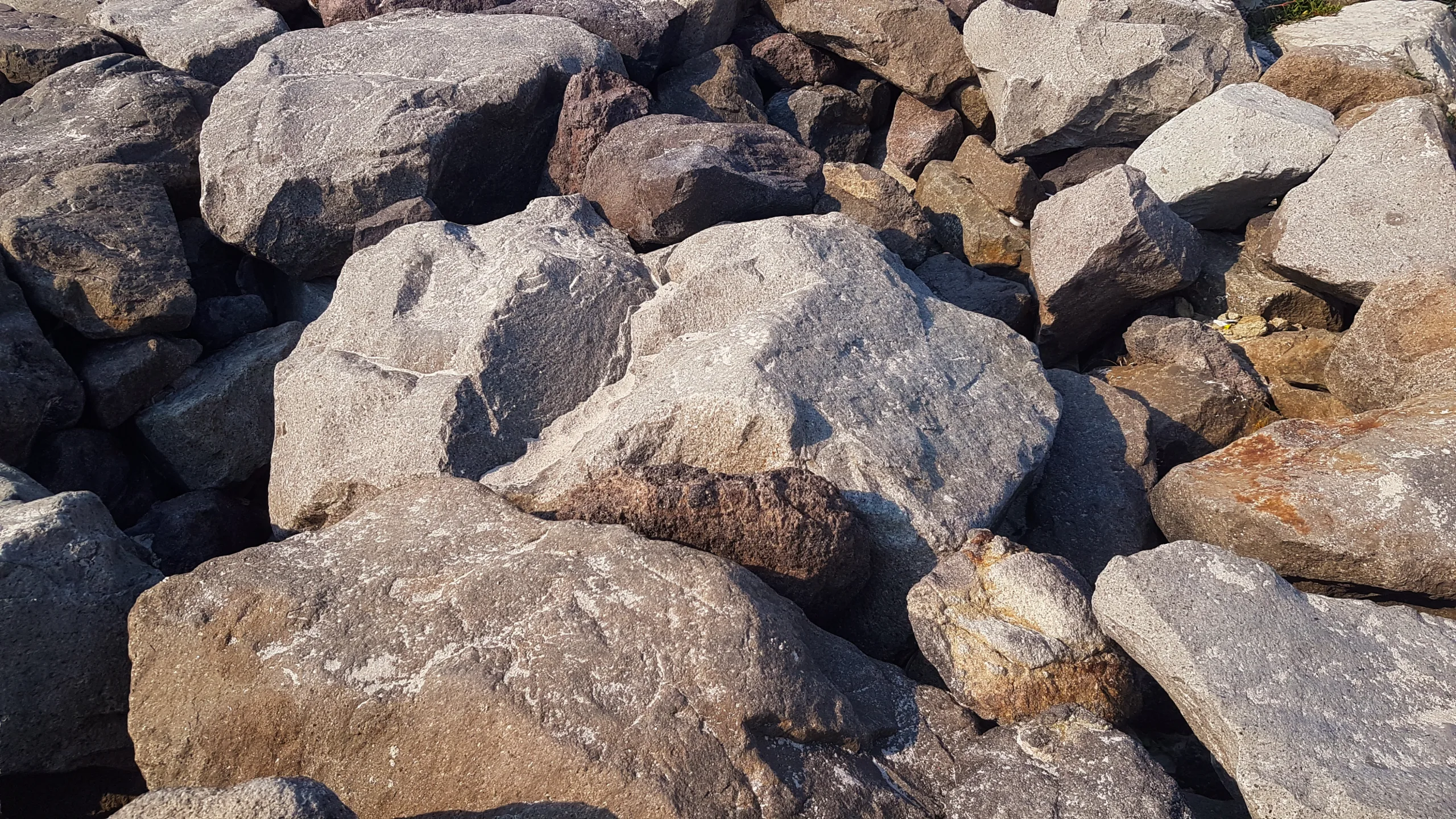
Rock Armour
4 products available.
FAQs
How are Hogan aggregates quality assured?
All Hogan aggregates are sourced from 3 carefully managed sustainable quarries and processed through modern crushing and screening equipment to maintain consistent grading and performance.
Our team tracks quality and gradings continuously, not just at start-up – an ongoing loop of sampling, checking and nudging.
Every load is subject to rigorous quality control, giving contractors confidence in strength, durability and compliance with relevant standards.
How do you calculate the amount of aggregate needed?
To work out how much aggregate you need, first measure the length and width of the area to be covered to get the area in square metres, then decide on the depth you need in metres.
Multiply area by depth to get the volume in cubic metres, then multiply by around 2.4 to convert to tonnes and add an extra 5–10% to allow for wastage and compaction.
Example: If your area is 10m by 5m at 0.1m depth:
• Area = 10 × 5 = 50m²
• Volume = 50 × 0.1 = 5m³
• Tonnage ≈ 5 × 2.4 = 12 tonnes
How much aggregate do I need?
That depends on the size of your project and the depth required for its use (for example, paths, driveways, sub bases, or decorative areas each need different depths).
If you send us your length, width, and required depth, we can calculate the volume and recommended tonnage for you, or you can use the simple formula: volume = area × depth, then convert cubic metres to tonnes.
The simplest way is to drop your dimensions into our aggregate calculator, choose the product, and use that output as your ordering guide.
What are the 4 main types of aggregates?
The four main types of aggregates are:
Coarse Aggregates: Larger particles, such as gravel or crushed stone, used for structural strength.
Fine/Sand Aggregates: Smaller particles, like sand, for smooth finishes and filling gaps.
Recycled Aggregates: Materials reused from construction waste, promoting sustainability.
Specialised Aggregates: Tailored for specific purposes, such as decorative or high-strength concrete.
Each has specific uses in building and infrastructure projects. Hogan Group offers a wide range of aggregates to suit your project requirements.
What is the cost of aggregates?
Aggregate prices vary depending on the material (for example MOT type 1, gravel, sand), the quantity you order, and your delivery location. We’ll provide a tailored, no‑obligation quote once we know what product you need, how much you need, and where it is being delivered.
What size delivery trucks do you have?
Aggregate is typically delivered loose tipped by tipper lorries.
We have 4 wheel tippers (up to around 11 tonnes), 8 wheel tippers (up to around 18–20 tonnes), and larger articulated lorries (up to around 30 tonnes loose), subject to access.
Our aggregate collections & delivery start from as little as 0.5T, so it’s easy to collect exactly what you need.
We’ll confirm the most suitable vehicle based on your access restrictions (road width, turning space, overhead cables, drive strength) and the tonnage you require.
What type of aggregate do I require?
The right aggregate depends on what you are building. Sub‑bases for drives and paths usually need a compactable MOT‑type material, while decorative gravel works as a top layer or around planting. Concrete mixes, drainage trenches and haul roads each use different grades.
• For driveways and high‑use areas, a compactable sub‑base such as MOT type 1 under a suitable surface layer is usually recommended. Or recycled aggregate 0/40mm grading
• For paths and decorative areas, a decorative gravel or stone in a suitable size (commonly 10mm, 14mm or 20mm) works well.
• For foundations and more heavily loaded areas, a stronger sub‑base and greater depth are usually needed.
• For drainage a common aggregate used would be a 28mm clean or 40/60, 80/150mm.
If you tell us what you are working on we can recommend the most suitable product and depth.
Need Aggregates For Your Next Project?
Fast response. No chasing. Real people. Real service.